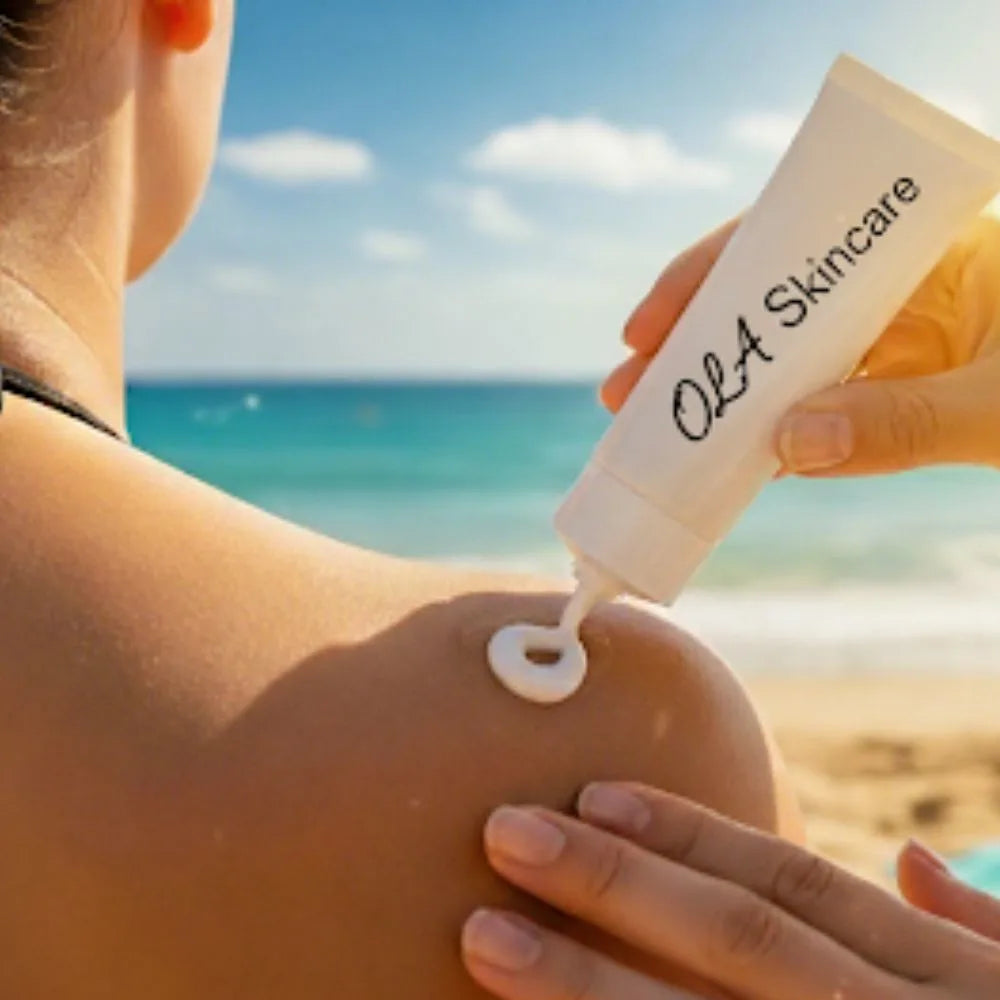

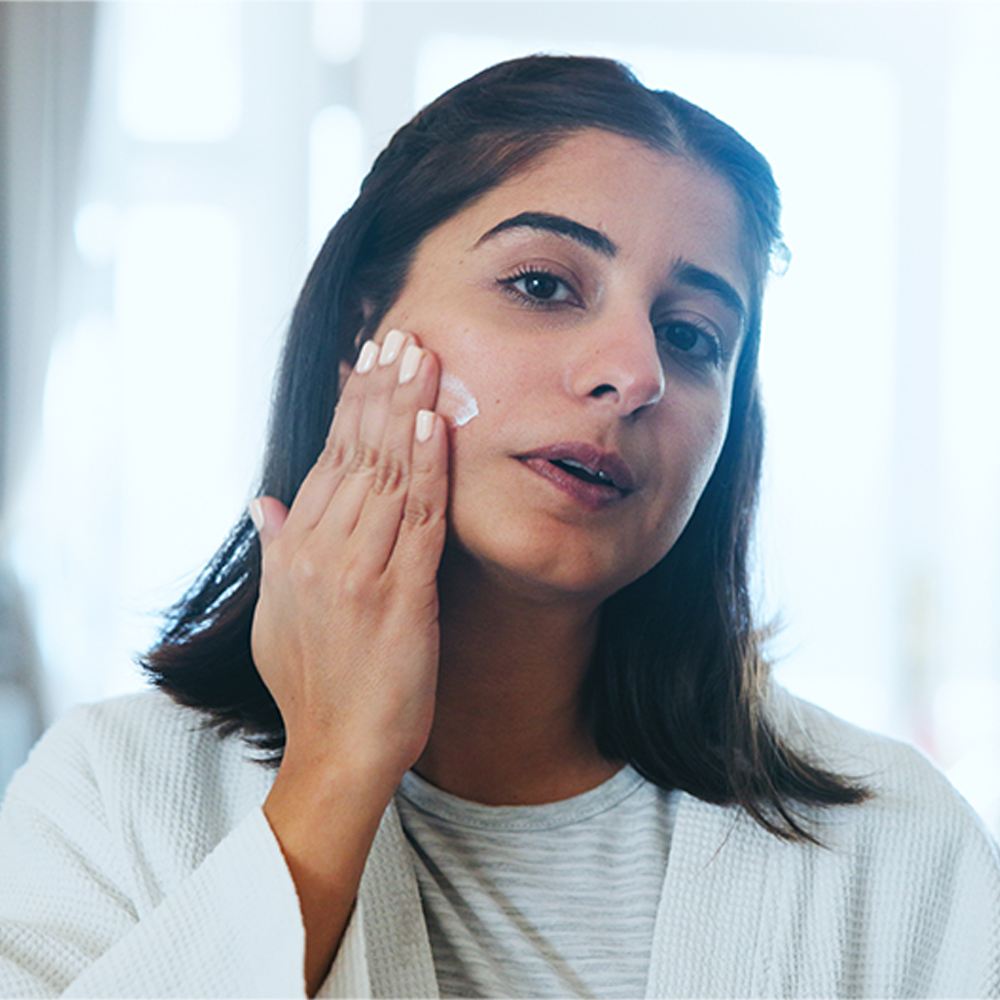
Most people already know sunscreen is non-negotiable, yet a large share of skin damage still happens to people who apply it every day. The reason usually isn't the product itself, it's the technique. Applying too little, layering it at the wrong stage of a routine, or skipping reapplication entirely can quietly cancel out most of the protection a sunblock is meant to offer. These five tips cover the parts of sunblock application that actually make a measurable difference, not just the basics everyone already repeats.
Why Application Technique Matters As Much As SPF
A high SPF number on the bottle only means something if the product is applied at the right thickness and reapplied consistently. Dermatologists have long pointed out that most people apply far less sunscreen than what was used in the lab tests that produced the SPF rating in the first place. According to the American Academy of Dermatology's application guide, even a well formulated sunblock loses much of its effectiveness when applied thinly or unevenly. That single fact explains why two people using the same SPF 50 product can end up with very different results.
5 Proven Tips to Apply Sunblock the Right Way
Getting SPF protection right on a daily basis comes down to a handful of habits rather than any single product choice. The five tips below cover the stages where most application mistakes actually happen.
Tip 1: Cleanse and Prep Your Skin First
Sunblock works best on skin that's clean and free of leftover oil, sweat or the previous day's products. Starting with a gentle cleanser removes buildup that can interfere with how evenly sunblock spreads across the face. If your skin tends to feel dry or tight afterward, following up with a light moisturizer before sunblock helps the product glide on smoothly instead of sitting unevenly on rough patches, which is a common reason sunblock looks patchy or streaky once applied.
Tip 2: Use Enough Product, Not Just the Right SPF
This is where most people fall short. The general rule dermatologists recommend for the face alone is about a quarter teaspoon, roughly the amount that covers two fingers when squeezed out in a line. Anything noticeably less than that reduces the actual protection level well below what's printed on the bottle, regardless of how high the SPF number is.
If a sunblock feels heavy or greasy at that amount, the formula itself is usually the problem rather than the amount being wrong. Lighter, non-greasy formulas make it easier to apply a full layer without the skin feeling suffocated, which is part of why textures matter as much as ingredients when choosing between options in a sun protection range.
Tip 3: Apply Sunblock at the Right Stage of Your Routine
Sunblock should go on after your other skincare steps and before makeup, not somewhere in the middle. Applying it over active ingredients like vitamin C or niacinamide, rather than mixing it into moisturizer or applying it underneath serums, keeps its protective layer intact on the surface of the skin where it can actually block UV rays.
A simple order that works for most routines looks like this: cleanser, treatment serums, moisturizer, then sunblock as the final step before sun exposure. Waiting a couple of minutes between each layer gives the previous product time to settle, which also helps sunblock sit more evenly instead of pilling.
Tip 4: Don't Skip the Areas People Forget
The center of the face tends to get the most attention, while the hairline, ears, back of the neck and the delicate skin around the eyes are frequently left out. These areas are just as exposed to UV rays and, in the case of the eye area and neck, often show visible sun damage earlier than the rest of the face because the skin there is thinner.
A quick habit that helps is applying sunblock in the same order every time, starting from the forehead and working outward to the ears and jawline, so no section gets missed simply because the routine feels "finished" too early.
Tip 5: Reapply Every Two to Three Hours
A single morning application, no matter how generous, does not last an entire day of sun exposure. Sunblock breaks down through UV exposure, sweat and contact with clothing or masks, which is why dermatologists generally recommend reapplying every two to three hours when you're outdoors, and immediately after swimming or heavy sweating.
For most people, reapplication is the step that gets skipped entirely, often because a full second layer feels inconvenient over makeup. Keeping a lightweight, non greasy formula on hand, such as the Ultra Defense Sunscreen, makes midday reapplication far more realistic since it sits comfortably under or over other products without leaving a heavy residue.
Choosing a Sunblock That's Actually Easy to Reapply
The best sunblock, from an application standpoint, is the one you'll realistically use in the right amount and reapply without hesitation. Thick, white-casting formulas often get skipped on the second or third application of the day simply because they're unpleasant to put on. A lighter, faster absorbing formula solves that problem by making reapplication feel like a quick step rather than a chore.
If you're unsure which formula and SPF level actually fits your skin type, working through a free skincare consultation is a straightforward way to get a recommendation suited to your specific skin rather than guessing based on generic advice.
Final Thoughts
Sun protection depends on more than picking a bottle with a high SPF number. How much product you use, when you apply it in your routine, which areas you cover and how often you reapply through the day all directly affect how much actual protection your skin gets. Building these five habits into a daily routine closes the gap between the protection printed on the label and the protection your skin is genuinely receiving.